Inspirational Campaigner Set for local Food Strategy Event
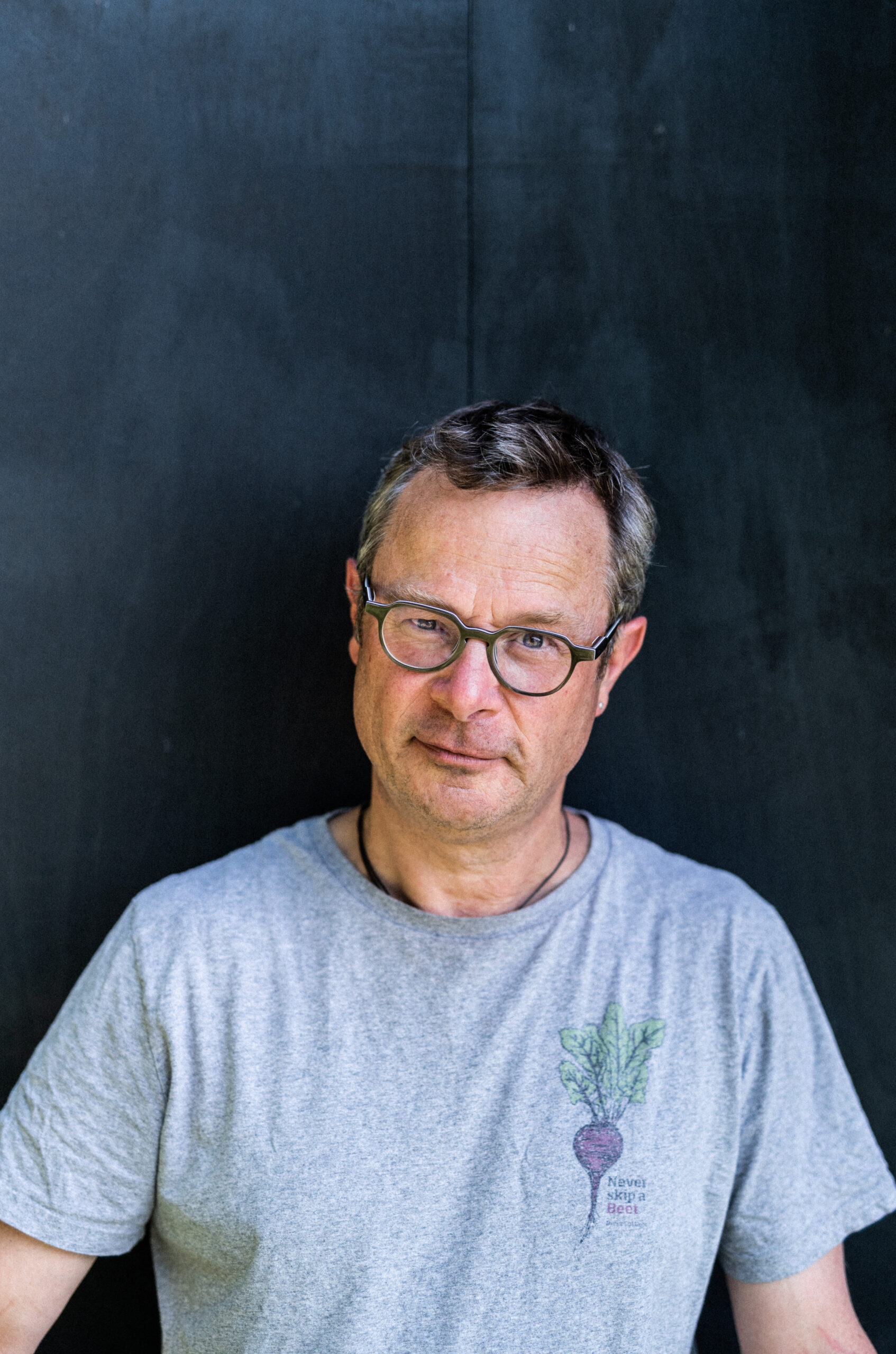
I have fond memories of watching the River Cottage programmes featuring Hugh
Fearnley-Whittingstall on organic food and self-sufficiency on Channel 4 that were
aired now more than 20 years ago. The programmes were a tremendous inspiration
as Hugh left a career in London to pursue an ambition of self-sufficiency, growing his
own vegetables and rearing animals on a small holding in Dorset
In 2004, the River Cottage brand left the original holiday home to follow Fearnley-
Whittingstall’s progress as he set up a new business from old dairy buildings near in
the county. Subsequent series charted his development as a small holder
environmental activist and local food champion.
Now a successful businessman, chef, BAFTA-winning broadcaster, writer, and
environmental pioneer, Hugh has agreed to be a keynote speaker to farmers, chefs
and food producers, at this conference next week, highlighting Northern Ireland’s
food strategy framework.
This important policy, part of our programme for government, is a vital roadmap for
everyone including chefs, agrifood and drink producers. Several chefs have
confessed that Hugh was a major inspiration for them early in their career, with his
‘just do-it’ attitude. I look forward to catching up with Hugh’s current thinking on
issues like health, sustainability, waste elimination and local sourcing.
In addition to his broadcasting, Hugh has authored a series of publications about
ethical food and seasonal eating from local sources. A vocal advocate for
sustainable food, he is involved in campaigns against overfishing, plastic pollution,
and promoting better food systems. Hugh emphasizes cooking from scratch,
understanding where food comes from, and reducing environmental impact,
encouraging everyone to eat more plant-based foods.
He’s a pioneer in the “grow-your-own” and ethical food movement in the UK, using
the media to make sustainable living accessible and appealing. He describes
himself as an omnivore who focuses on plant-based cooking. His latest publications
focus on health, and of course he is a judge in the BBC Food and Farming Awards
which are coming to Northern Ireland this October.
We look forward to welcoming Hugh to this important event in Hillsborough Castle
where we have been holding important dialogues with farmers and food producers, I
am sure that he will be able to associate with many of the themes in the strategy and
associated action plan which the Department for Agriculture, the Environment and
Rural Affairs (DAERA) has developed with input from the wider industry.
We’ve been privileged to work closely with DAERA on the strategy and action plan
on initiatives such as gaining feedback from the industry, including the interactive
workshop with Hugh. Other speakers at the event include Sheila Dillon, long-time
host of BBC Radio’s Food Programme and celebrated organic farmers Angus and
Charlie Buchanan-Smith from Edinburgh, Scotland. They will be speaking to industry
representatives and companies at Food at the Heart of Our Society: A Prospectus
for Change.
We’ve been able to use our extensive network of local food producers – with support
from the Rural Food Programme – to promote this ground breaking strategy, as well
as the event at Hillsborough Castle.
As well as helping to accelerate the growth of the industry, which currently
contributes around £8 billion to the economy and employs around 100,000 people,
Food and Drink has a wider role to play in the health and wellbeing of the wider
community, supporting sustainability and preserving the environment – themes that
have underpinned Hugh Fearnley-Whittenstall’s visionary approach at River Cottage
and other activities.
While the industry, especially our farmers, are conscious of the importance of
sustainability and environmental preservation, many may not know how best to
develop and implement these effectively over the long-term. There is much we can
learn from Hugh and the other speakers.
The strategy, they will be dealing with, focuses on a “transformed food system” by
2030, emphasizing health, sustainable economic prosperity, food culture, natural
resource protection, education, and supply chain resilience, aligning with green
growth goals, with key actions including public procurement changes and support for
healthier product reformulation. It’s a very broad canvas and it’s vital to protect future
generations.