“Simply Delicious” Taste Star Business Boost for Lough Neagh
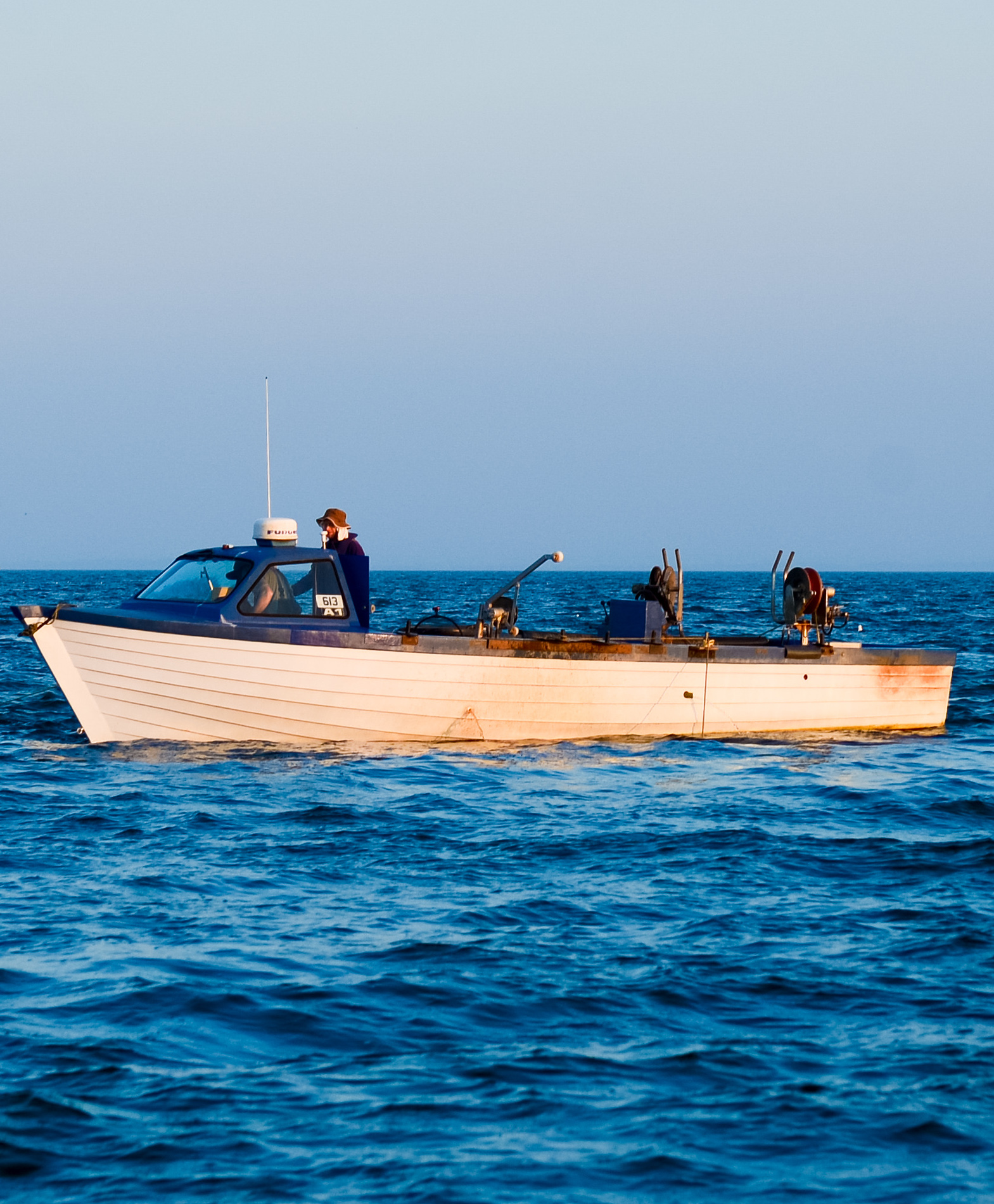
Wild-caught smoked trout fillets from the Lough Neagh Fishermen’s Co-operative
Society in Toomebridge, Co Antrim have earned a prestigious Great Taste Star
Award from the influential Guild of Fine Foods in London.
Expert food Judges in the recent UK Great Taste Awards praised Lough Neagh
smoked wild trout, sometimes known as Dollaghan, for its robust flavour, glistening
amber appearance, and a perfectly balanced smoke and cure. They described it as
“simply delicious”.
The experts, among them some of the most experienced and respected food writers,
journalists and chefs, awarded the unique Northern Ireland fish, its first gold star as a
“simply delicious” food. It was the first Great Taste ‘star’ for the rare fish. It also won
the Fish category in the awards.
The fishermen’s society has won gold stars in the past from Great Taste for the
lough’s superb eels.
From the largest freshwater lake in the UK, Lough Neagh wild brown trout are a
unique migratory strain of Salmo trutta native to Lough Neagh and its inflowing
tributaries in Northern Ireland. They migrate from the lough into local rivers to spawn,
much like sea trout, and feature distinctive black spots and rich pink-orange hue.
The winning wild trout from Lough Neagh was among an impressive145 winning
products from Northern Ireland in this year’s Great Taste. The award for Lough
Neagh is an important boost after a difficult period for the historic fishery.
The award-winning smoked trout product has been packaged attractively by the co-
operative for retailers.
This year, over 15,000 products were entered into Great Taste from 3,919
companies in 116 countries, a record number, including products from nine countries
entering for the first time.
Dollaghan from Lough Neagh is a very special fish. This wild brown trout from Lough
Neagh is one of the only remaining wild trout fisheries supplying the UK. Unlike
farmed fish, Lough Neagh trout live and grow naturally in the vast waters of the
sprawling lough, feeding on freshwater shrimp and moving freely before returning to
rivers to spawn – much like wild sea trout.
Experts says it is that natural diet which gives the fish its distinctive deep pink flesh.
There are no colour additives, no antibiotics and no intervention – just a clean,
natural flavour that reflects the environment the fish come from. The result, they say,
is a trout that is richer, firmer and more complex than most farmed fish.
The fishery is carefully managed, with a short season running from March through to
mid-August. Management return larger fish to the water to protect future stocks,
helping maintain a sustainable supply of wild trout. Because of this, availability is
limited. Only small quantities are landed each week, making this a rare opportunity to
enjoy truly wild trout, sourced responsibly and handled with the utmost care and
attention – exactly what great seafood should be – seasonal, traceable and created
entirely by nature.
Wild trout like Lough Neagh trout grow naturally in open water, feeding on what the
local environment provides. Lough Neagh trout flourish from a diet rich in freshwater
shrimp, which gives the fish its deep natural colour and fuller flavour.
Wild trout also tend to have firmer flesh and a more defined flake, while farmed trout
can be softer due to lower levels of natural movement.
Lough Neagh trout is seasonal, limited in supply and caught from a carefully
managed fishery rather than produced at scale. Each fish reflects the conditions it
has grown and lived in, which means no two are ever exactly the same.
As a result, the trout can be pricier. What consumers are paying for is not just the
fish, but the quality of its environment, its natural diet and the care taken to preserve
the fishery for future generations. On the plate, that offers a deeper flavour, firmer
texture and a delicious eating experience.
Lough Neagh, of course, is home to the largest wild eel fishery in Europe and is also
home to several species of wild freshwater fish including dollaghan, pollan, bream
and perch. Traditional, sustainable fishing methods are used on the lough, which
have passed down through the generations. It’s about preserving a way of life for
dozens of fishing families, protecting the fish and safeguarding a viable commercial
fishery.
The co-operative is an organisation founded in 1965 and based in Toomebridge. It
controls the commercial fishing rights on Lough Neagh and represents local
fishermen.
Lough Neagh eels are justifiably famous. They were awarded EU Protected Name
status in 2011, the first product from Northern Ireland to receive the accreditation.
The eels make their way from the Sargasso Sea in the Atlantic Ocean, carried over
6,000km on the Gulf Stream to the mouth of the Lower Bann, and then into Lough
Neagh where they stay for 12 to 20 years before returning home to the Sargasso
Sea to spawn.
Lough Neagh pollan was also awarded EU Protected Name status in 2018, setting
the lough apart as home to not one, but two high quality wild-caught fish bearing
these prestigious EU accreditations.